Why norway is a top destination for sea fishing
Fishing trip Norway – the coast is shaped by fjords, bays and an outer belt of islands. This landscape creates many natural habitats for fish. Between shallow reefs and deep channels, anglers can target both pelagic and bottom-dwelling species on the same day.
Common species along much of the coast include:
– cod, haddock and coalfish (saithe)
– ling, tusk and hake
– various flatfish such as plaice and flounder
– mackerel in the warmer months
– halibut and wolffish in certain areas
Because of this variety, visitors can focus on specimen hunting, species fishing, or simply catching enough for dinner. Some prefer heavy pirks and large shads in deeper water. Others enjoy light spinning gear for active coalfish near the surface. Surfcasting from rocky shores is also possible in many regions.
Another reason Norway stands out is access. Many coastal campsites and cabin resorts are built around fishing. They often combine accommodation, boat rental, filleting facilities and large freezers. This makes life easier, especially for groups that travel by car from other European countries and want to store fish for the journey home.
The natural environment adds to the appeal. Many anglers point to clear air, low levels of pollution and relatively uncrowded waters. In smaller municipalities with unspoiled landscapes, a boat can leave the pier and reach good spots within a few minutes, without long runs across open sea.

Practical planning for a successful trip
Good planning often decides whether a fishing holiday becomes a once-only trip or a tradition. The basics are simple: safe boats, reliable engines, suitable gear and a location with easy access to productive grounds.
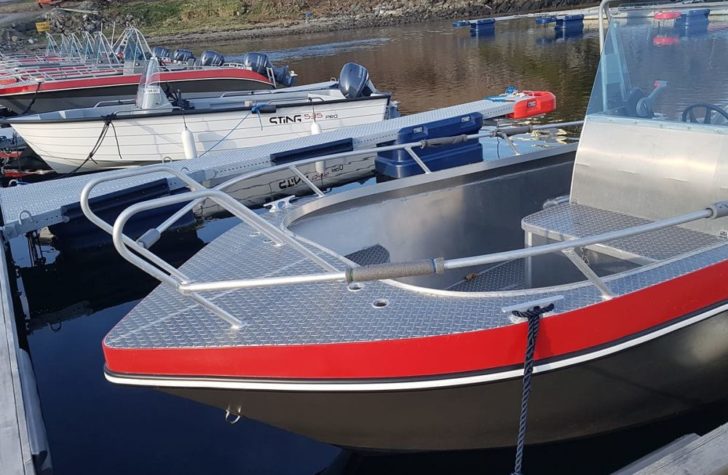
Many anglers choose sturdy aluminium boats from about 15 to 21 feet, powered by 40–100 hp outboard engines. These boats handle waves well, have stable decks and leave enough room for rods, cool boxes and several people. Modern equipment like GPS, chart plotters and echo sounders is now standard at many fishing camps. With this, visitors can find underwater plateaus, drop-offs and channels where larger fish tend to gather.
A practical base for sea fishing in Norway should ideally offer:
– boats with rod holders and navigation electronics
– laminated sea charts as a backup to digital systems
– a dedicated fish processing house on the pier, with running water and good lighting
– large freezer boxes to store fillets until departure
– short walking distance between cabins, marina and service buildings
Season is another key factor. Summer brings milder weather and almost endless daylight in many regions. These conditions give more hours on the water, which is especially useful for beginners or mixed groups with both keen anglers and family members who want flexible plans. Spring and autumn can be cooler and windier, but often offer strong fishing for big cod, halibut and wolffish. Many experienced anglers prefer these shoulder seasons.
Rules and logistics also matter. Sea fishing in Norway is generally free, but there are regulations on minimum sizes, protected species and export limits. Visitors who want clear guidance can use the “Fritidsfiske” app, available in several languages. It explains current rules, recommended practices and how to handle fish in a responsible way, including catch and release.
Safety at sea and local requirements
Norway’s sea can change quickly. Good safety habits are essential, especially for visitors not used to tidal waters and Atlantic weather. Simple routines make a big difference:
– wear a life jacket or other flotation device at all times
– check the weather forecast before leaving and monitor it through the day
– stay rested and avoid alcohol when driving the boat
– keep a mobile phone in a waterproof bag, and know emergency numbers
– tell someone where the boat is going and when it should return
There are also legal requirements for boat drivers. Anyone born after 1980 who drives a larger recreational boat must hold a boatmaster’s licence. Even for those born earlier, camps and marinas often require that the responsible person has experience and can communicate in English or Norwegian. On arrival, guests usually receive a lease agreement, a passenger list and a safety briefing. Some places reserve a security deposit on a credit card to cover potential damage to boats or equipment.
These routines may seem strict at first, but they are designed to protect both guests and local communities. They also help ensure that future visitors can enjoy the same high standard of service and safe conditions.
Choosing the right base for a fishing trip norway
When choosing where to stay, many visitors look for a balance between comfort and access to wild nature. A good base for sea angling should offer:
– a sheltered marina close to cabins or camping pitches
– quick access to an outer archipelago and open sea
– different depths and bottom types within short boating distance
– clear, simple pricing for boat and cabin rental
On the Norwegian west coast, in areas like Aure municipality, several fishing camps meet these criteria. The combination of rich marine life and scenic surroundings attracts anglers from many countries each year. They enjoy structured facilities on land and a feeling of freedom on the water.
Among the options, Nothaugen is often mentioned as a solid choice for sea fishing holidays. The site combines camping, cabins, a well-equipped marina and a fleet of aluminium boats with modern electronics. With its own filleting house and large freezers, the practical side of the trip is well covered. For anyone planning a focused sea angling holiday and looking for a reliable base, taking a closer look at nothaugen.no can be a good starting point.